


Knee Taping with Kinesiology Tape
Looking for a clear explanation on how to tape your knee? Choose the taping instruction below that best matches your specific knee complaint.
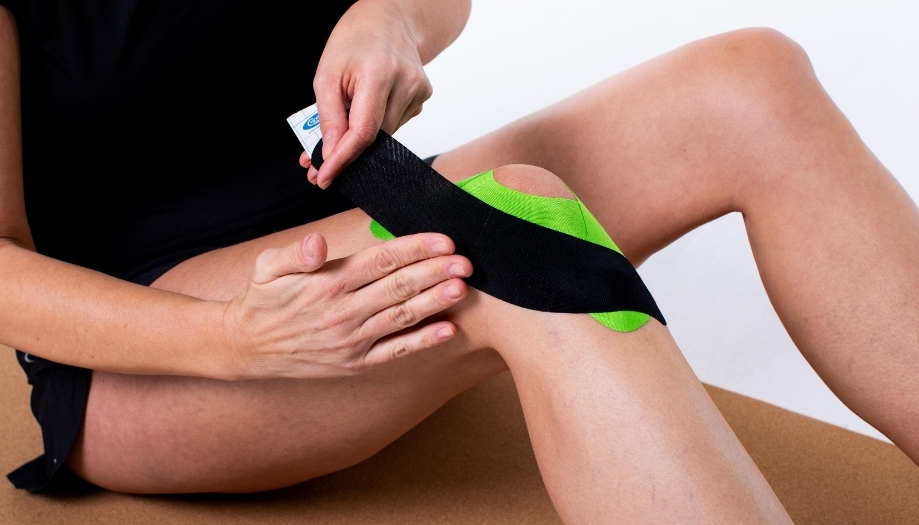
Choose the taping guide that matches your knee complaint
On this page you will find all step-by-step taping instructions for knee complaints. Each guide includes photos, preparation steps, measuring & cutting instructions, and a video.
CureTape kinesiology tape is used by physiotherapists and sports professionals worldwide. Whether you are dealing with general knee pain, a meniscus injury, patellar tendonitis or an ACL injury — all taping guides below are easy to do yourself without prior experience.
Jump to:
Taping guides ·
Recommended products ·
Expert advice
All knee taping instructions

How to tape an anterior cruciate ligament (ACL) injury
If you have a stretched anterior cruciate ligament or are recovering from ACL surgery and need extra support during rehabilitation, this taping method can help.

How to tape your meniscus
If you’ve sustained a meniscus injury and are looking for a taping method that provides a stabilising effect, this application is a great option.

How to tape Patellar Tendonitis
Is your patellar tendon irritated? This taping method helps relieve pressure on the inflamed area and can reduce pain effectively.
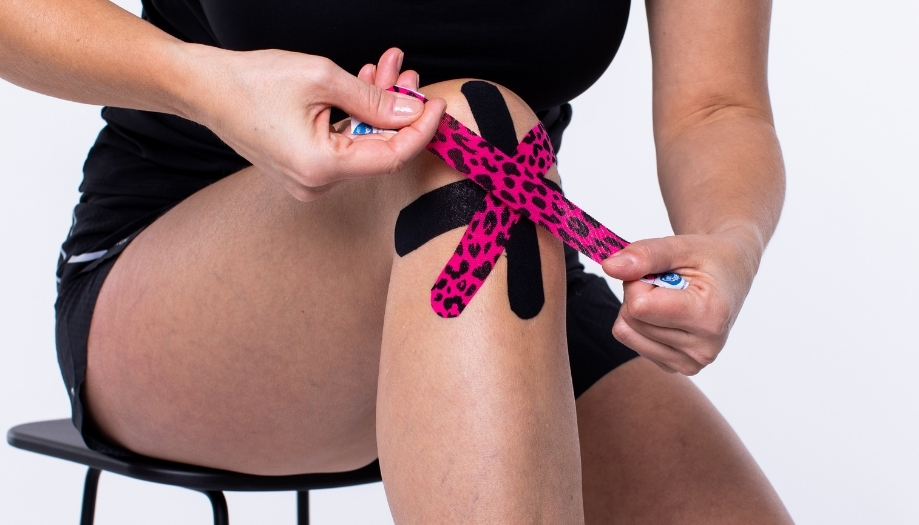
How to tape knee pain (Osgood-Schlatter)
Do you have a painful spot just below the knee? This taping method is a suitable option. The star-shaped technique lifts the skin slightly, helping to reduce pain and make movement easier. It’s often a great solution for children with Osgood-Schlatter disease, allowing them to walk or cycle with less discomfort.
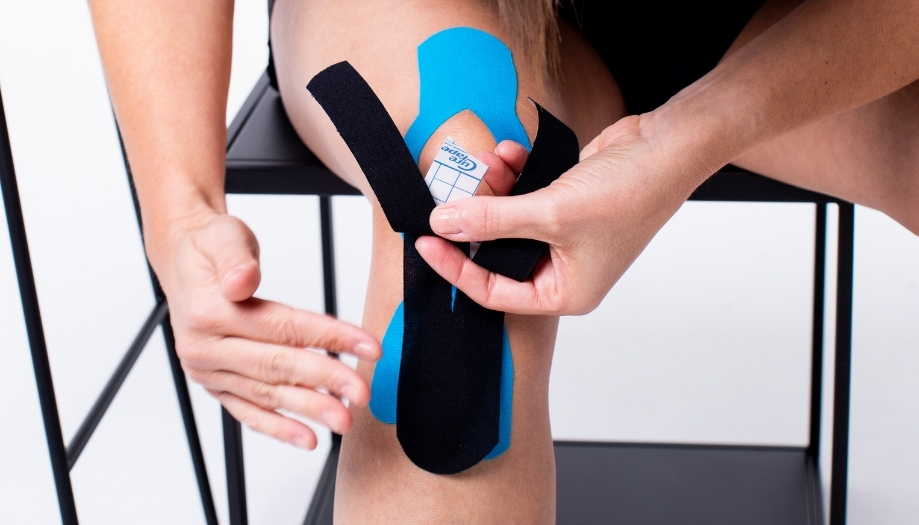
How to tape for pain under the kneecap
Do you experience pain beneath the kneecap? This can be caused by several factors, most commonly from overuse of the knee’s flexor and extensor muscles, which increases pressure on the patella. Learn more about this taping method designed to improve kneecap mobility and relieve discomfort.
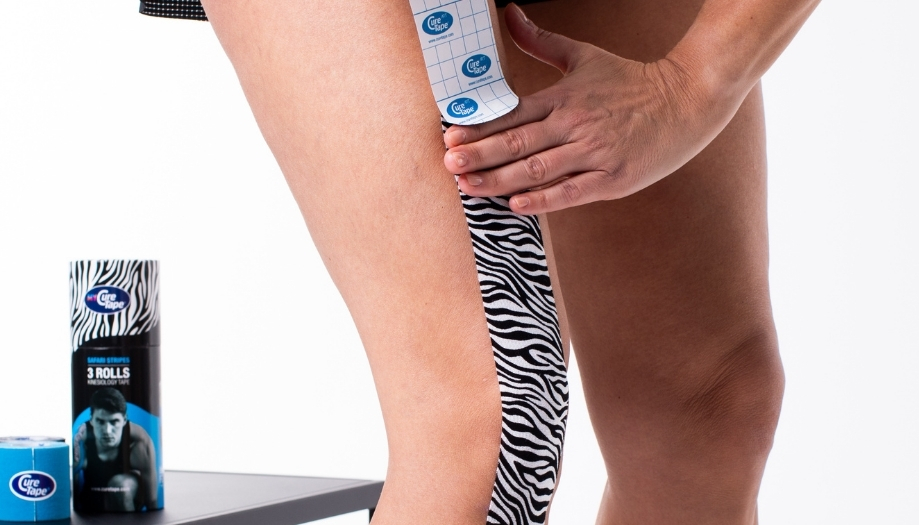
How to tape Jumper’s Knee — Tendonitis of the knee cap
Irritation of the patellar tendon? Sharp pain from overuse, after sitting for long periods, or when pressure is applied to the shin? This condition, also known as jumper’s knee or patellar tendinopathy, is common in sports that involve jumping and quick stop-and-go movements.
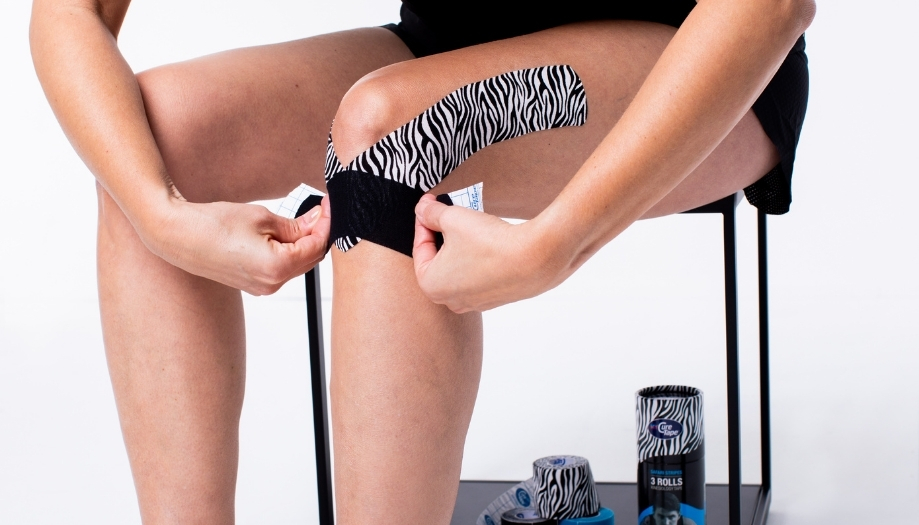
How to tape your knee for stability
Do you have pain around the kneecap or throughout the entire knee? This taping method is a suitable option, providing gentle support to the knee and making movement easier and more comfortable.
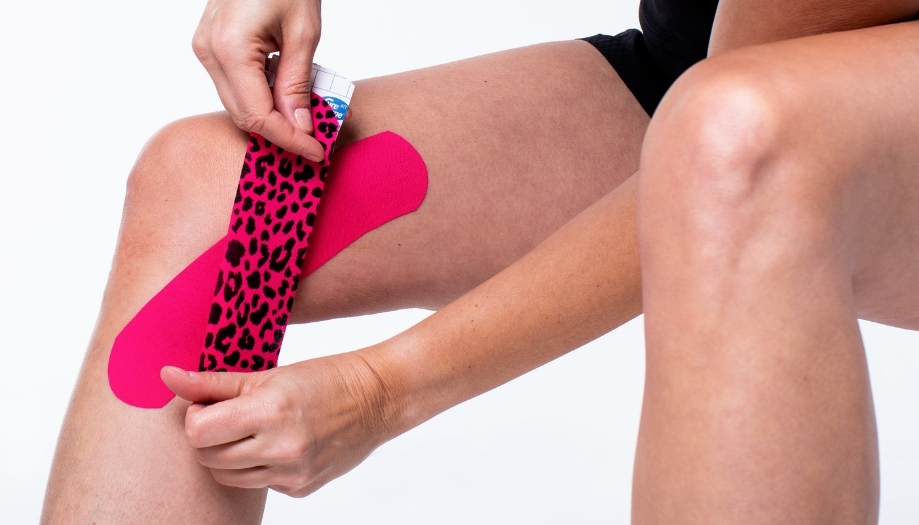
How to tape your Knee Ligament
Unstable knee? Pain on the inner or outer side of the knee? This taping method helps stabilise the knee by supporting the inner and/or outer ligaments. It can also be combined with other knee taping techniques for additional support.
How to tape general knee pain
If you experience discomfort around your knee but can’t pinpoint exactly where the pain originates, this taping method may help. It provides gentle support, reduces strain on the joint and helps your knee feel more stable during movement.
Popular products for knee taping with kinesiology tape
-

FASCIQ® Pre Tape Adhesive Spray
€11,95In stockAdd to cart -

CureTape® Sports Extra Sticky
€10,95In stockSelect options This product has multiple variants. The options may be chosen on the product page -

MyCureTape® Sports 3-Roll Combi Pack
€17,95In stockSelect options This product has multiple variants. The options may be chosen on the product page -

CureTape® Soft Touch Scissor
€12,95In stockAdd to cart
 Trusted by professionals for 25+ years
 Europe-wide shipping
Free delivery from €100
Europe-wide shipping
Free delivery from €100 For knee complaints I recommend CureTape Sports — especially during sports or rehabilitation, where the tape needs to stay in place despite movement and sweat.
For daily support, CureTape Classic or CureTape Art are excellent choices. Always combine taping with exercises. Consult a physiotherapist if symptoms persist.

Disclaimer: Please note: the suggested tape applications and the information on our website regarding the possibilities of the Medical Taping Concept are not yet scientifically proven. The stated claims are based primarily on extensive experience from therapists and users of CureTape® products. No rights can be derived from the content on this website.
Contraindications for not using tape: pregnancy, open wounds, bone fractures, unexplained complaints, allergies and skin conditions, medication use such as blood thinners, thrombosis, and fever. Always consult a medical professional if in doubt.