


Wrist Taping with Kinesiology Tape — 7 Simple Methods
Looking for a clear explanation on how to tape your wrist when experiencing pain? Choose a taping instruction below that matches your wrist injury.

Choose the taping guide that matches your wrist complaint
Select the image that corresponds to your wrist issue and follow the step-by-step taping instructions to successfully tape your wrist. Photos, explanations and a video will guide you through the process.
CureTape kinesiology tape is used by physiotherapists and sports professionals worldwide. Whether you are dealing with wrist pain, a sprained wrist, carpal tunnel syndrome or a TFCC injury — all taping guides below are easy to do yourself without prior experience.
Jump to:
Taping guides ·
Recommended products ·
Expert advice
-

CureTape® Classic
€9,95In stockSelect options This product has multiple variants. The options may be chosen on the product page

All wrist taping instructions

How to tape tendonitis on the thumb (De Quervain’s disease)
Nerve pain radiating along the thumb side, tendon inflammation near the thumb, De Quervain’s disease, or discomfort when moving the wrist sideways — this taping method provides targeted support and pain relief.

How to tape hypermobile wrists
Pain or injury on the thumb side of the wrist, pain on the little finger side of the wrist, or general hypermobility causing instability — this taping method provides support and helps prevent overextension.

How to tape a TFCC injury — cartilage disc in the wrist
After a fall on the wrist, in case of a bruised or strained wrist joint, when the wrist is overused, or as preventive support during sports — this taping method stabilises the wrist and reduces pain.

How to tape a sprained wrist
After a fall on the wrist, for a bruised or strained wrist joint, in cases of overuse, as preventive taping during sports, or when lifting — this method supports the wrist and promotes recovery.

How to tape your outer wrist
Pain on the outer side of the wrist (ulnar ligament), discomfort during rotational movements, or the need for lateral wrist stabilisation — this taping method targets the outer wrist area effectively.

How to tape wrist pain
Bruised or sprained wrist, a feeling of instability, to improve mobility, during rehabilitation after a wrist fracture, or for everyday wrist support — this general taping method helps in many situations.
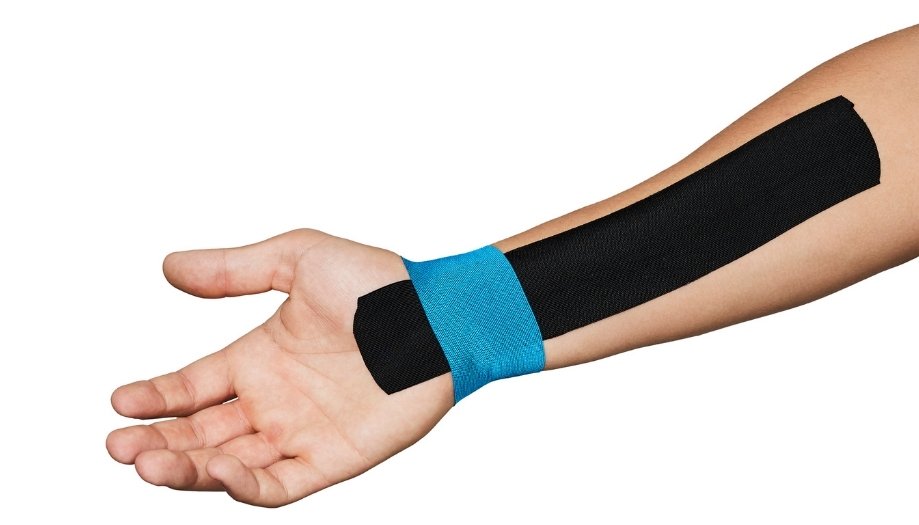
How to tape carpal tunnel syndrome (CTS)
Carpal Tunnel Syndrome, wrist tendinitis (inflammation of the wrist tendons), inflamed tendon sheath (tendovaginitis), or to improve wrist mobility — this taping method relieves pressure and supports recovery.
Popular products to tape your wrist
-
CureTape® Classic
€9,95In stockSelect options This product has multiple variants. The options may be chosen on the product page -
CureTape® Sports Extra Sticky
€10,95In stockSelect options This product has multiple variants. The options may be chosen on the product page -
CureTape® Art
€10,95In stockSelect options This product has multiple variants. The options may be chosen on the product page -
CureTape® Soft Touch Scissor
€12,95In stockAdd to cart



 Trusted by professionals for 25+ years
 Europe-wide shipping
Free delivery from €100
Europe-wide shipping
Free delivery from €100 For wrist complaints I recommend CureTape Classic or CureTape Art for regular daily use. If you are active in sports or need extra adhesion — for example during swimming or intensive training — CureTape Sports is the better choice thanks to its 30% stronger adhesion.
Always combine taping with targeted wrist exercises for the best results. If your symptoms persist or worsen, always seek advice from a physiotherapist or your GP.

Disclaimer: Please note: the suggested tape applications and the information on our website regarding the possibilities of the Medical Taping Concept are not yet scientifically proven. The stated claims are based primarily on extensive experience from therapists and users of CureTape® products. No rights can be derived from the content on this website.
Contraindications for not using tape: pregnancy, open wounds, bone fractures, unexplained complaints, allergies and skin conditions, medication use such as blood thinners, thrombosis, and fever. Always consult a medical professional if in doubt.